
Value chain collaboration
From R&D to end use, we deliver stable materials with faster response.
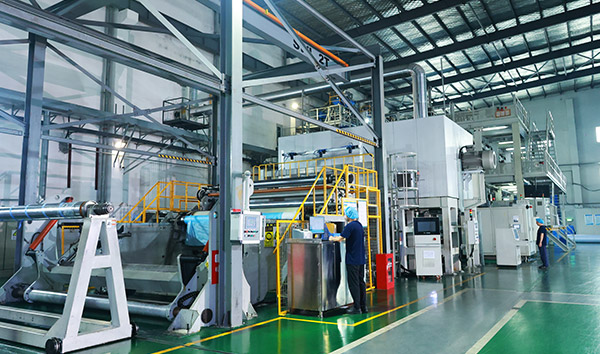


Founded in 2007 and headquartered in Los Angeles, USA, Boulder is an international enterprise specializing in the R&D, manufacturing, and integrated solutions of high-performance nonwoven materials. In China, the company currently operates several subsidiaries, including Lianyungang Boulder Industrial Co.,Ltd.、Jiangsu Boulder Filtration Technology Co., Ltd.、Hubei Boulder Material Technology Co., Ltd.、Boulder(Hubei)Auto Materials Co., Ltd.
Boulder has long been dedicated to the fields of medical, hygiene care, filtration, and industrial materials, committed to providing global customers with high-performance, highly stable, and high value-added nonwoven products and systematic material solutions.

Excellent barrier, filtration, breathability, alcohol resistance and antistatic performance for medical protection and infection control.
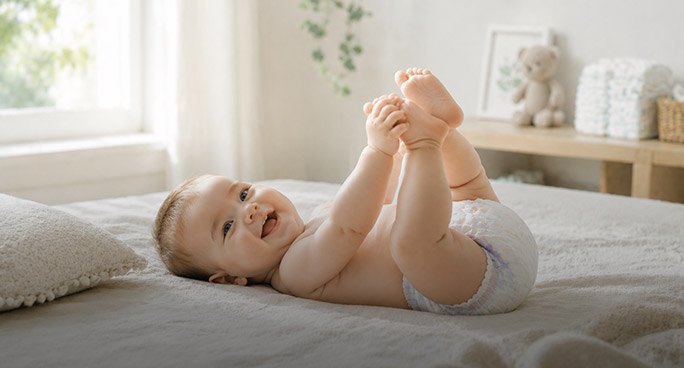
Ultra-soft, breathable, uniform and skin-friendly materials designed for the needs of premium hygiene-care markets.
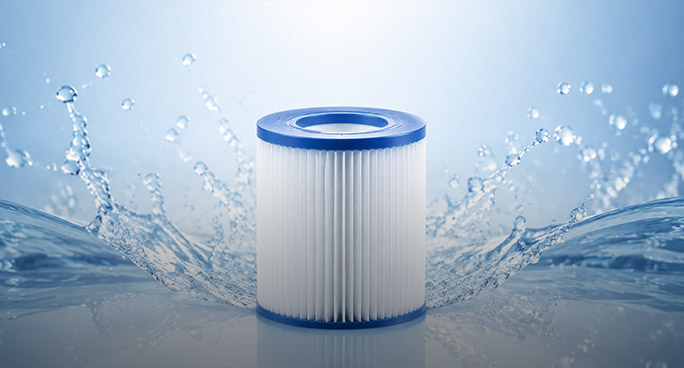
Advanced meltblown and composite technologies balance high filtration efficiency with low resistance for reliable filtration solutions.

Lightweight, high-strength, dimensionally stable and recyclable materials with excellent thermal, acoustic and processing performance.
From R&D to end use, we deliver stable materials with faster response.

One complete matrix for medical, hygiene, filtration and industry.
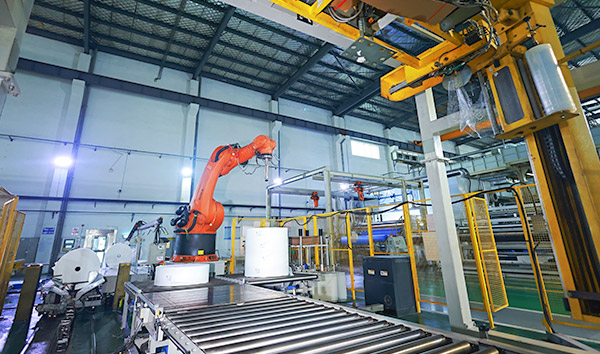

Reliable application solutions driven by continuous innovation.

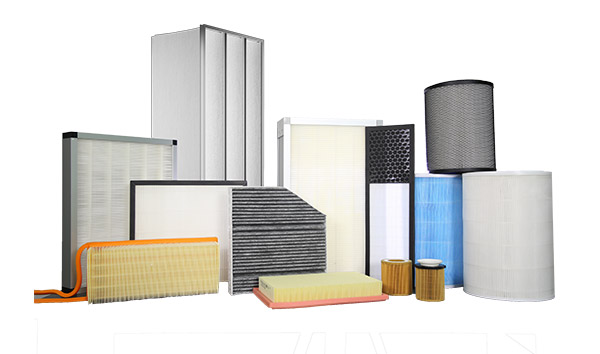
Functional materials for next-generation vehicles.

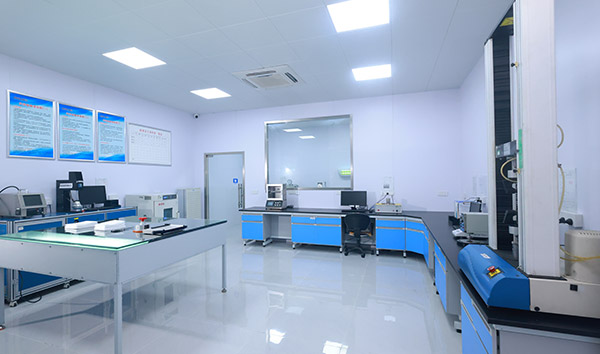
Digital processes ensure consistent quality and delivery.
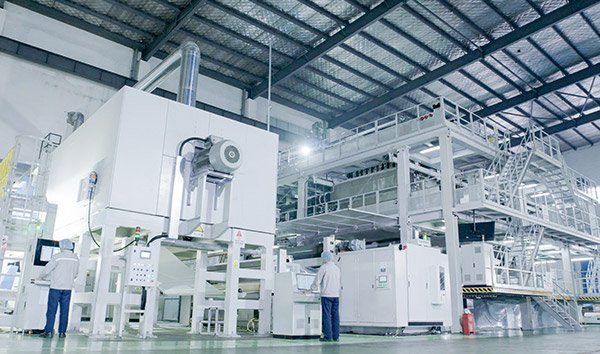

Complete systems support continuous product improvement.
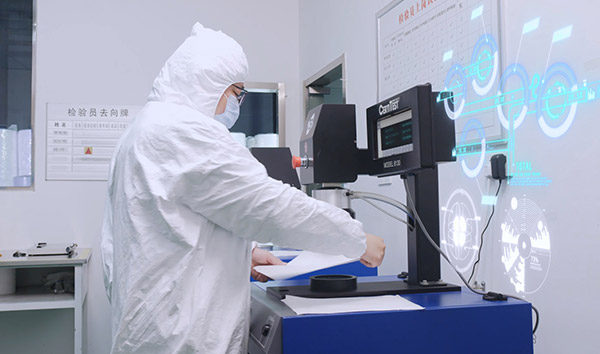
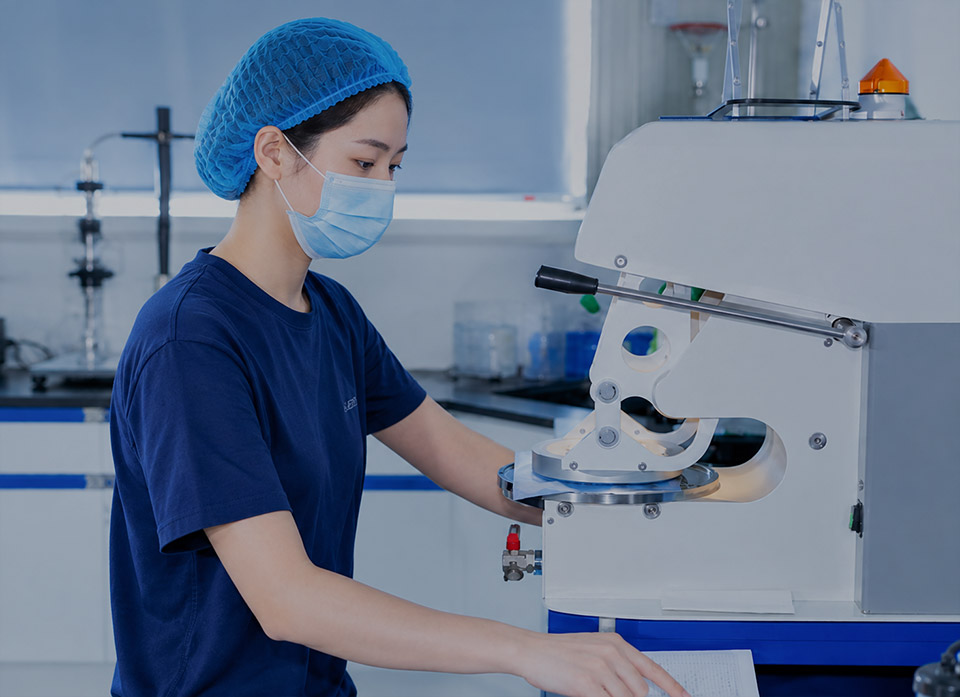
From R&D to manufacturing, connecting material innovation with scaled applications.

Professional capabilities support long-term, stable partnerships.
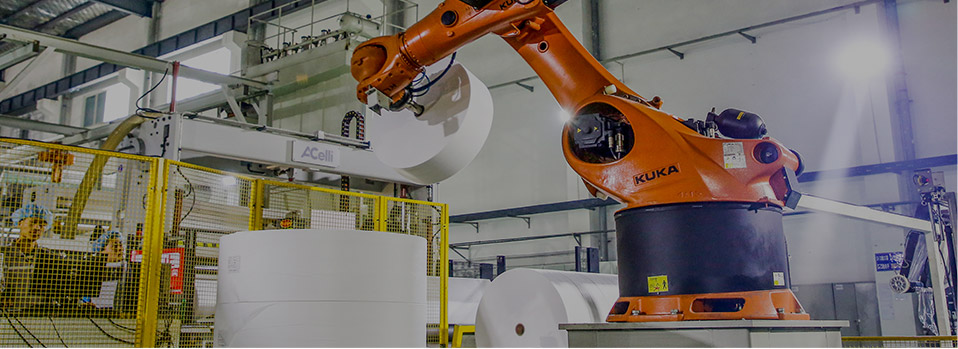
Flexible production lines respond quickly to diverse industries and specifications.

In daily life, non-woven fabrics can be found everywhere, from medical masks, protective suits to shopping bags and cleaning cloths. They have integrated into every aspect of our lives. Many observant friends will notice that certain non-woven products do not easily attract dust or do not exhibit the crackling static discharge phenomenon during use. So, where does the anti-static ability of non-woven fabrics come from?Firstly, we need to understand the principle of static electricity generation. When two different materials come into contact and rub against each other, electrons will transfer, causing an uneven distribution of electric charges on the surfaces of the objects, thereby forming static electricity. For traditional synthetic fibers (such as polyester and polypropylene), they are insulating materials with extremely high resistivity. The friction-generated charges are difficult to release and tend to accumulate, leading to high-voltage static electricity. This not only attracts dust and affects the appearance of the products, but also poses safety risks in electronic manufacturing, flammable and explosive environments, and even potentially causes accidents.However, non-woven fabrics can effectively address this issue due to their special fiber structure and manufacturing process. Non-woven fabrics are not produced through weaving or knitting but are formed by physically or chemically bonding fibers together. This porous, loose network structure brings two direct benefits:Firstly, it increases the friction contact area and the surface area of air contact of the fibers. After the electric charge is generated, it can quickly disperse to a larger surface area, reducing the local electric charge density and thus weakening the static phenomenon.Secondly, and more importantly, non-woven fabrics are often treated with anti-static agents or mixed with conductive fibers during production. The former is usually a hydrophilic surfactant that can absorb trace amounts of moisture in the air, forming a conductive film on the fiber surface. This film provides a channel for the dispersion of the generated charges, allowing them to be quickly conducted to the outside or neutralized, thereby avoiding the accumulation of static electricity.Unlike post-treatment methods, some high-quality non-woven fabrics also adopt the technology of blending conductive materials during the spinning stage, such as adding carbon nanotubes or metal oxide powders to the fibers, making the fibers themselves conductive. This method not only provides long-lasting effects but is also less affected by environmental humidity, suitable for industrial packaging and electronic component protection in industries with strict requirements for static control.Furthermore, the hygroscopicity of the fibers plays a crucial role. Some non-woven fabrics are mixed with materials with high hygroscopicity, such as viscose fibers. When the environmental humidity is moderate, the water molecules adsorbed on the fiber surface can form a continuous conductive film, allowing the static charges to dissipate. Therefore, non-woven fabrics based on surfactant-type anti-static agents show significant differences in anti-static performance in humid southern environments and dry northern environments.In the medical nonwoven fabric field, the demand for anti-static properties is particularly urgent. In operating rooms, static discharge may interfere with precision medical equipment, ignite flammable anesthetic gases, and even damage medical staff and patients. Therefore, products such as medical protective suits and surgical gowns have clear national standards and industry regulations for anti-static performance. The anti-static solutions for medical non-woven fabrics are usually more systematic: on the one hand, a multi-layer composite structure of SMS (spunbond-meltblown-spunbond) is adopted, using the fine fiber network of the meltblown layer to enhance the ability to disperse charges; on the other hand, anti-static agents are introduced during spinning or post-treatment processes to reduce the surface resistance to a safe range. In recent years, new technologies such as biomimetic anchoring have also been used to stably fix conductive materials like graphene on polypropylene fibers, forming a persistent anti-static functional layer, balancing the waterproof and moisture-permeable properties of protective suits with long-lasting anti-static performance. The evolution of these technical paths reflects that the requirements for anti-static properties of medical nonwoven fabrics are moving from "short-term effectiveness" to "long-term stability", and from a single function to a combination of barrier, antibacterial and anti-static properties.
When it comes to non-woven fabrics, many people assume they all look alike. In reality, despite their similar thin appearance, there are significant differences in the user experience between hydrophilic types and standard types. To understand the distinction, we can look at the following aspects:Non-woven products are ubiquitous in daily life, yet many people fail to notice that materials which appear similar can actually differ vastly in function. The core difference between hydrophilic non-woven fabrics and standard non-woven fabrics lies in their diametrically opposed interaction with water.1. Distinctly different "attitudes" toward liquidsThis is the fundamental difference between the two. Standard non-woven fabrics are typically made from polypropylene (PP). As a non-polar material, PP lacks the hydrophilic groups on its molecular chains necessary to bond with water and possesses low surface energy. Consequently, water droplets bead up and roll off rather than penetrating the material. In contrast, hydrophilic non-woven fabrics undergo a hydrophilic treatment that increases fiber surface energy; upon contact, liquid rapidly wets and spreads across the surface, channeling downward through the capillary pathways between fibers. The industry often uses "contact angle" as a metric: standard water-repellent fabrics exhibit a high contact angle, whereas hydrophilic fabrics maintain a low contact angle, resulting in significantly faster penetration.2. An additional "hydrophilic" step in productionThe production of standard non-woven fabrics is essentially complete after web formation via processes such as spunbonding, thermal bonding, or hydroentanglement. Hydrophilic non-woven fabrics, however, require the addition of hydrophilic masterbatch during production or the application of a hydrophilic agent during the finishing stage—using methods like dipping, padding, or spraying. Hydrophilic agent molecules feature both lipophilic (oil-attracting) and hydrophilic (water-attracting) ends; the lipophilic end adheres to the fiber while the hydrophilic end faces outward, creating a stable hydrophilic layer. This method offers manageable costs and is currently the most common practice.3. Distinct performance characteristics and applicationsHydrophilic non-woven fabrics excel at rapid liquid penetration and wicking. They facilitate the quick transfer of liquid from the surface layer to the absorbent core, thereby reducing the sensation of dampness caused by surface residue, all while maintaining softness and breathability. Consequently, hydrophilic non-woven fabrics are the preferred choice for components such as the topsheets and acquisition/distribution layers of diapers and sanitary pads, as well as for wet wipes, medical dressings, and facial mask substrates. The strengths of standard non-woven fabrics lie in their barrier and protective properties; they are resistant to liquid penetration and—given appropriate hydrostatic pressure ratings—can serve as effective barriers. They are particularly well-suited for applications such as shopping bags, packaging materials, the outer layers of protective suits and surgical gowns, mask exteriors, and agricultural coverings.In summary, while hydrophilic non-woven fabrics and standard non-woven fabrics belong to the same category of materials, distinct processing techniques render one hydrophilic and the other water-repellent. This distinction is not a matter of superior or inferior quality, but rather a result of functional design tailored to specific uses; together, they broaden the range of applications for non-woven fabrics in modern life.
Whether you drive or ride in a car, you know there's a significant amount of noise inside. This includes engine noise, tire noise from road friction, noise from airflow at high speeds, and other noises generated by the vehicle itself. The sources of various noises are: engine noise originates from its own rotational speed, while resonance noise comes from the refraction and overlap of sound within the vehicle body.As autumn arrives and the weather cools, the temperature difference between the inside and outside of the vehicle increases, making noise perception more noticeable. Automotive sound-absorbing cotton, a commonly used material for sound optimization, is widely used in car doors, hoods, headliners, wheel arches, etc., effectively reducing wind noise, tire noise, and resonance noises inside the car. For manufacturers who directly purchase materials, judging the quality of sound-absorbing cotton is a crucial step in product selection.First, we need to understand, what is Automotive sound-absorbing cotton?Automotive sound-absorbing cotton: When noise penetrates sound-absorbing cotton, sound waves are constantly reflected and folded between the densely packed fibers inside the cotton, forcing air molecules to move violently, and the sound energy is forced to be converted into heat energy and dissipated.Automotive sound-absorbing cotton product process: PP meltblown fibers are laminated within a PET base fabric and then solidified using hot air to create a high-loft, fluffy cotton.Applications of automotive sound-absorbing cotton: Door interior panels (to combat wind noise and environmental noise), wheel covers/fender linings (to combat tire noise, road noise, and gravel impact noise), engine hood (to combat engine noise). Automotive sound-absorbing cotton specifications, installation methods, material differences, noise reduction effects, and manufacturers are all relevant.The noise reduction effect of sound-absorbing cotton is closely related to its material density, thickness, and bonding method. When purchasing in bulk, it is recommended to understand: Does the supplier have a stable quality control process? Can they provide customized thickness, adhesive backing, or lamination solutions to meet customer needs? Stable process control capabilities are the foundation for ensuring consistent quality between batches.If you have any Automotive sound-absorbing cotton purchasing needs or technical questions, please contact Lianyungang Baide Industrial Co., Ltd. for discussion.
From everyday shopping bags and disposable bed sheets to medical protective clothing and diaper backing layers, Spunbond Nonwoven Fabric is ubiquitous. For purchasing colleagues new to this material, this article provides a simple overview to help you quickly understand it.Spunbond Nonwoven Fabric: Spunbond fibers are highly fine, resulting in breathable fabric. Spunbond can be supplied in SS and SSS grades. For finishing needs, hydrophilic treatment, softening treatment, and flame-retardant treatment are available. Colors can be highly customized, or we can ship based on our color samples.Spunbond Nonwoven Fabric Production Process: PP raw material → melt extrusion → spinning → cooling and stretching → web forming → hot rolling reinforcement → winding and slitting → finished product packagingMedical Applications of Spunbond Nonwoven Fabric: Surgical gowns, isolation gowns, mask outer layers, medical drapesWhat are the characteristics of spunbond nonwoven fabric?Good strength: Nonwoven fabrics produced by the spunbond process have continuous filaments, resulting in relatively high tensile strength and tear resistance, making them suitable for products requiring durability.Cost-effective: Due to high production efficiency and the versatility of raw materials, spunbond nonwoven fabrics offer a superior cost-performance ratio compared to similar products.Wide Thickness Range: By adjusting process parameters, various specifications ranging from lightweight to heavy-duty can be produced, offering strong adaptability.When purchasing Spunbond Nonwoven Fabrics, examine the fabric surface, feel its texture, test its strength, and check the color.High-quality products have a natural and uniform color, free from yellowing or color variations.If you have any purchasing needs for spunbond nonwoven fabrics or technical inquiries, please feel free to contact Lianyungang Baide Industrial Co., Ltd.
As autumn arrives and the weather becomes drier, static electricity problems begin to emerge. In daily life, static electricity is generated by the peeling of plastic films and the friction of synthetic fiber clothing. Non-woven fabrics are mostly made of polymer materials, which are good insulators. The charges generated by friction are not easily discharged and accumulate on the material surface. This accumulation is more pronounced in dry environments.Static electricity causes many problems: it attracts dust, affecting cleanliness; it causes electric shocks during use; and it can even pose a safety hazard in certain special work scenarios. Therefore, it is practically necessary to require anti-static properties in some product applications.Two Types of Antistatic Nonwoven Fabric:Anti-static non-woven fabrics on the market can be broadly divided into two categories based on their implementation method:Internal Additive Type: The anti-static agent is mixed into the polymer during the melt spinning stage of the raw material. The advantage of this method is that the anti-static component is evenly distributed inside and on the surface of each fiber, resulting in a longer-lasting effect that is less prone to attenuation due to friction and washing. It is suitable for products with high requirements for anti-static lifespan.Post-treatment Type: The anti-static agent is sprayed or impregnated onto the surface of the finished non-woven fabric. The process is relatively simple and the cost is low, but the antistatic components mainly adhere to the surface, and the effect may weaken after repeated friction or prolonged placement. It is suitable for short-term use or scenarios where durability is not a primary concern.Therefore, when purchasing, it's advisable to specifically ask: How does this product perform in the dry autumn and winter seasons? Professional suppliers will usually provide a clear explanation. For specific needs or technical questions, please contact Lianyungang Baide Industrial Co., Ltd. for discussion.Antistatic Nonwoven Fabric: By adding antistatic masterbatch or antistatic oil, static electricity accumulation can be effectively reduced: preventing dust adsorption, reducing electrostatic discharge, improving the safety of clean environments, and enhancing wearing comfort.Antistatic Nonwoven Fabric Product Process:Raw Material Modification: PP raw material → Addition of antistatic masterbatch → High-temperature melt extrusion → Spinning → Cooling/hot air drawing → Web forming → Hot rolling reinforcement → WindingOnline Antistatic Impregnation Treatment: PP raw material → High-temperature melt extrusion → Spinning → Cooling/hot air drawing → Web forming → Hot rolling reinforcement → Functional additives and antistatic oiling → Drying and setting → WindingApplications of Antistatic Nonwoven Fabric: Protective clothing, cleanroom garments, medical packaging, surgical gowns, isolation gowns, etc.